
MEDEQUIP PRODUCT GUIDE
Back Braces
Thoughtful spinal support, from structured LSOs to flexible posture garments.
Support • Fit • Confidence
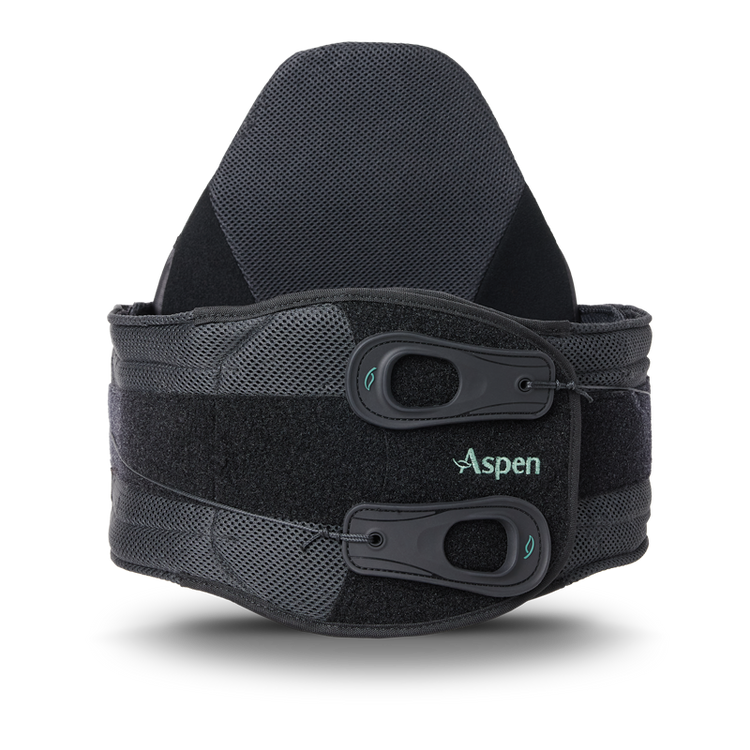
A back brace, also called a spinal orthosis, supports part of the trunk and may help limit motion while an injury or surgical site heals. Designs range from flexible lumbar supports to more rigid devices. The prescribed brace depends on the spinal levels involved and the amount of motion control your clinician wants.
When might a back brace be prescribed?
A clinician may recommend one after certain spine surgeries, for selected fractures, or when temporary support or movement restriction is appropriate. Some surgeons prescribe a brace after spinal fusion during early healing. Not everyone with back pain or every person after spine surgery needs a brace; your treating team decides whether it is useful for your case.
Types of back braces
- Lumbar support: A wraparound support for the lower back, with flexibility that depends on the design.
- Lumbar-sacral orthosis (LSO): A more structured brace around the lower back and pelvis when greater motion control is prescribed.
- Thoracolumbar-sacral orthosis (TLSO): Extends higher on the trunk to support the mid and lower spine in selected cases.
Fitting and daily use
Medequip can help size and fit the brace and show you the correct order for fastening its panels or straps. Positioning matters: a brace that rides up or sits too low may provide the wrong support and cause pressure. Follow your clinician’s instructions about wearing it while sitting, standing, walking, or sleeping. Ask your care team before changing the fit or reducing wear after surgery.
Check your skin at the edges and pressure points. Tell us if the brace slips, causes sores, restricts breathing, or cannot be fastened as demonstrated. Follow the lifting, movement, exercise, and follow-up instructions from your spine team.
Should I wear a brace for ordinary back pain?
That depends on the cause of your symptoms. A brace is not a substitute for an evaluation, and long-term self-directed use may be inappropriate. Discuss persistent or worsening symptoms with your clinician.
Insurance: Coverage depends on your plan, diagnosis, procedure, medical-necessity criteria, and documentation. Medequip can review benefits and estimated patient responsibility before dispensing.
SELECTED SOLUTIONS
Back support options
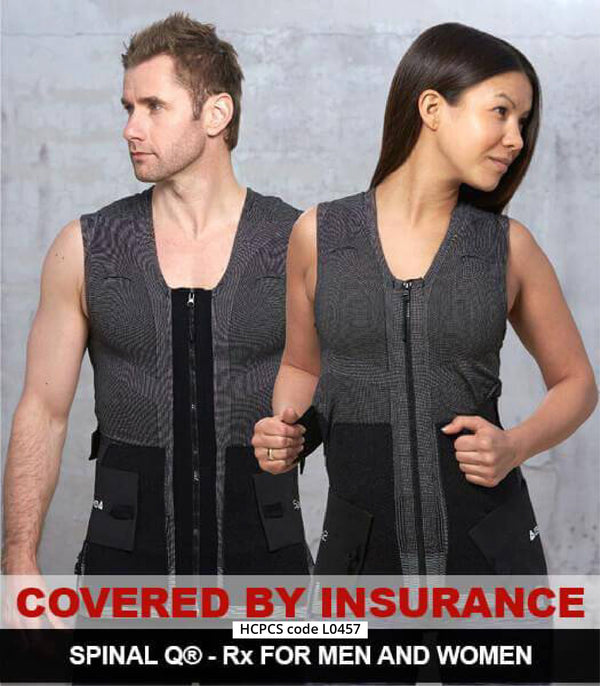
Rigid lumbar-sacral orthoses and flexible posture garments offer different levels of support. The right choice depends on your prescription.


WE’RE HERE TO HELP
Talk with Medequip
Tell us the product or model you’re interested in. Leave a callback number if you prefer a phone call. Please do not include medical records or sensitive health details. You can also call 800-944-3422.